About QPOWER

A large scale, jointly owned water and power producer

Qatar Power Q.S.C. was established in January 2005 to help meet the State of Qatar’s growing electricity and potable water demand in a safe, efficient, and reliable way. The plant at Ras Laffan Industrial City combines power generation and desalination in one integrated site.

Established in 2005 Ras Laffan Industrial City 1,025 MW and 60 MIGD

Quick facts

Shareholders
Nebras Energy, ENGIE, JERA
Facility value
About US$1 billion
Commercial operations
Power in May 2006, water in September 2006

Purchase agreement

Under the Power and Water Purchase Agreement, QPOWER supplies KAHRAMAA for 25 years, with an option to extend for a further five years.
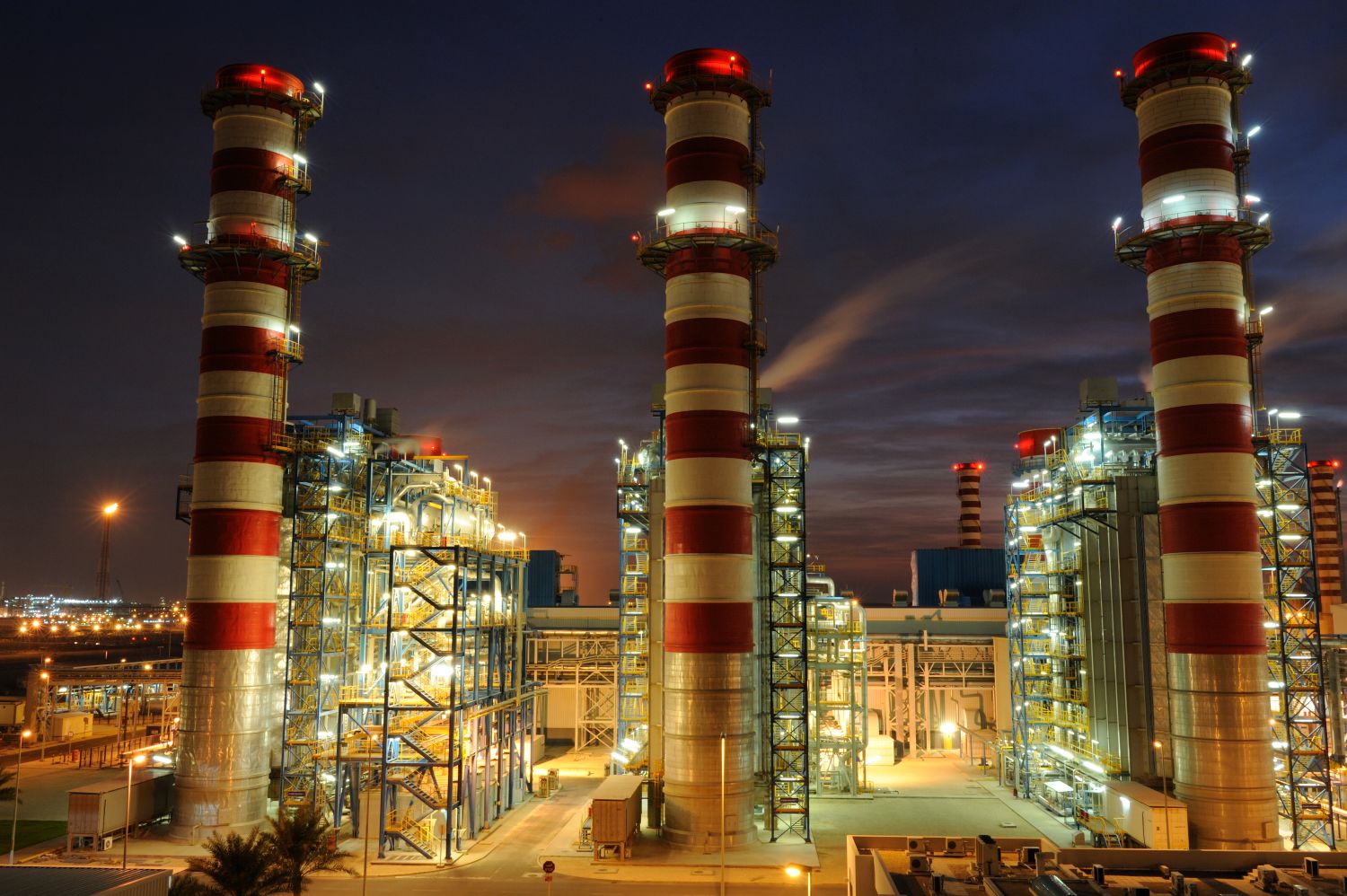
QPOWER power plant illuminated at night in Ras Laffan Industrial City
Ras Laffan Industrial City
At the heart of the plant

Power and water, working as one.

Behind the lights is an integrated facility built to deliver dependable electricity and potable water for Qatar, day and night.

1,025 MW installed power capacity
At a glance

What the plant brings together

The facility was designed as an integrated independent water and power project, which means the same energy cycle supports both electricity and potable water production.

Ownership

Three shareholders

Nebras Energy holds 55 percent, ENGIE holds 40 percent, and JERA from Japan holds 5 percent.

Location

Built for Ras Laffan

The plant operates in Ras Laffan Industrial City, close to Qatar’s gas infrastructure and designed for reliable long term operation.

Scale

One major site

QPOWER is one of the country’s landmark IWPP facilities, bringing together turbines, distillers, pipelines, and supporting infrastructure on a single site.

Milestones

From establishment to full capacity

2005

Company established

QPOWER was established on 5 January 2005 pursuant to Article 68 of the Commercial Companies Law No. 5 of 2002.

2006

Commercial production begins

Power production started in May 2006 and water production started in September 2006, giving the plant its first operating phase.

2008

Full capacity achieved

The plant reached full capacity in June 2008, completing the buildout of its generation and desalination systems.

Today

Long term supply

The site continues to supply electricity and potable water to the State of Qatar under a long running purchase agreement with KAHRAMAA.

How it works

Combined cycle power and waste heat desalination

The engineering concept is straightforward but effective. Natural gas powers the turbines, waste heat is recovered, steam is produced, and that same thermal energy supports both additional power generation and water production.

Power block

1,025 MW combined cycle plant

Three gas turbines, each rated at 237.35 MW, and two steam turbines, each rated at 221 MW, work together in a combined cycle arrangement supplied by Siemens AG.

Gas turbines Three units deliver the primary power output and provide the waste heat stream used later in the cycle.
Steam turbines Two steam turbines convert recovered thermal energy into additional electricity.
Water block

60 MIGD MSF desalination

Four multi stage flash distillers, each rated at 15.13 MIGD and supplied by Doosan Heavy Engineering, convert seawater into potable water using recovered heat from the power cycle.

Heat recovery The desalination process uses the same waste heat that would otherwise be lost.
Potable supply Water output is designed to support the drinking water needs of the State of Qatar.
Standards

Safety, environment, and operating discipline

QPOWER’s operating philosophy is built around safe execution, environmental care, and dependable delivery, with formal management systems supporting that approach.

Safety

People first

Safety is treated as a design principle and an operating habit, not as a separate activity at the end of the process.

Environment

Efficient water use

Waste heat recovery and combined cycle operations reduce unnecessary energy loss and support a more efficient process overall.

Reliability

Long term delivery

The site was built to serve Qatar over decades, with operational routines focused on continuity and steady performance.